
INTRODUCTION
Racial and ethnic health disparities continue to be a major contributor to unequal healthcare access and health outcomes in the United States, with evidence showing that racial and ethnic minority populations often receive lower-quality care and experience greater morbidity and mortality from chronic diseases compared with nonminority populations.1 As the nation becomes increasingly diverse, it is more important than ever to critically examine how race and ethnicity are represented in biomedical research. How these factors are studied and reported can substantially influence both medical and public understandings of health disparities, shaping perceptions about the underlying causes and potential solutions.2,3 Race is widely understood as a social construct rather than a strictly biological category, but it is inconsistently defined in biomedical research.
Prior research has shown substantial variation in how race and ethnicity are defined, reported, and interpreted in research publications. Many journals have yet to directly examine racism, and they often underreport race and ethnicity data, underrepresent minorities in clinical studies,4–7 publish clinical trials with mostly White participants, and overemphasize cultural factors such as mistrust rather than racism as the root cause of disparities. Routinely presenting race and ethnicity without providing socioeconomic, historical, and political context, or with genetic and biological explanations, can promote harmful notions of health disparities as intrinsic, immutable characteristics rather than driven by inequitable systems and social determinants of health.2,8
To assess practices and progress in the field, our study aimed to examine how race and ethnicity were described and interpreted in biomedical research publications from the Georgetown University Medical Center (GUMC) in two selected years one decade apart: 2010 and 2020. The primary objective was to evaluate whether race and ethnicity were presented as social or biological constructs and to analyze changes over the 10-year period. We hypothesized there would be an increase in social and multifactorial explanations and a parallel decrease in the uncontextualized use of race or ethnicity from 2010 to 2020. This study was conducted in accordance with the Transparency in the Reporting of Artificial Intelligence (TITAN) guidelines.9
MATERIALS AND METHODS
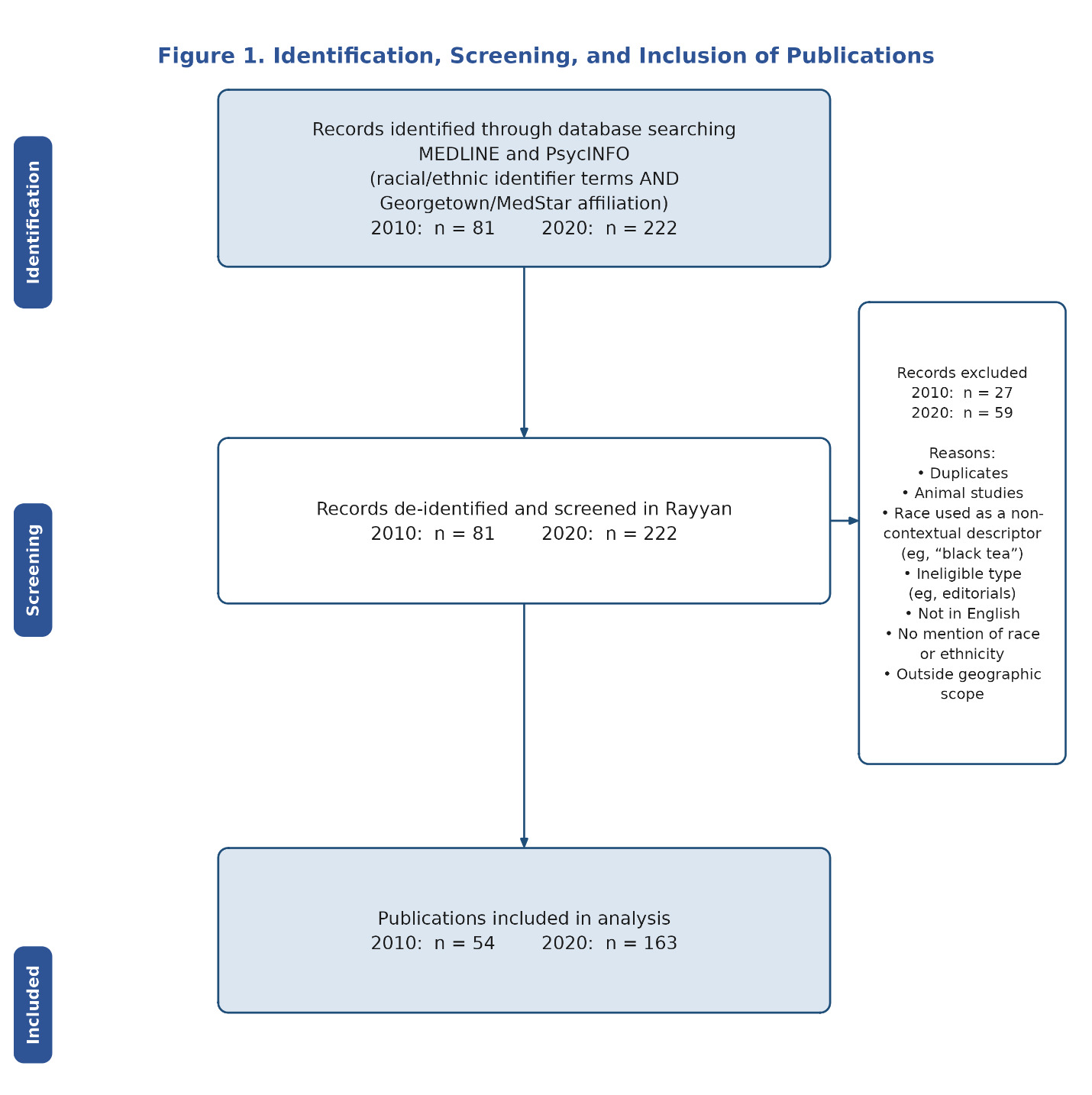
The initial data extraction from MEDLINE and PsycINFO databases for the years 2010 and 2020 yielded a comprehensive pool of publications for evaluation that included 81 and 222 publications, respectively. We used a predefined list of racial and ethnic identifying terms. The search terms were divided into two main concepts. Concept 1 focused on racial and ethnic identifiers, including terms like “race,” “racial,” “ethnicity,” “Asian American,” “African American,” “Black,” “Caucasian,” among others, spanning various geographical and cultural identities. Concept 2 filtered affiliations to Georgetown University, including “Georgetown University,” “Georgetown School of Medicine,” “Lombardi Cancer Center,” and specific email domains (Figure 1).
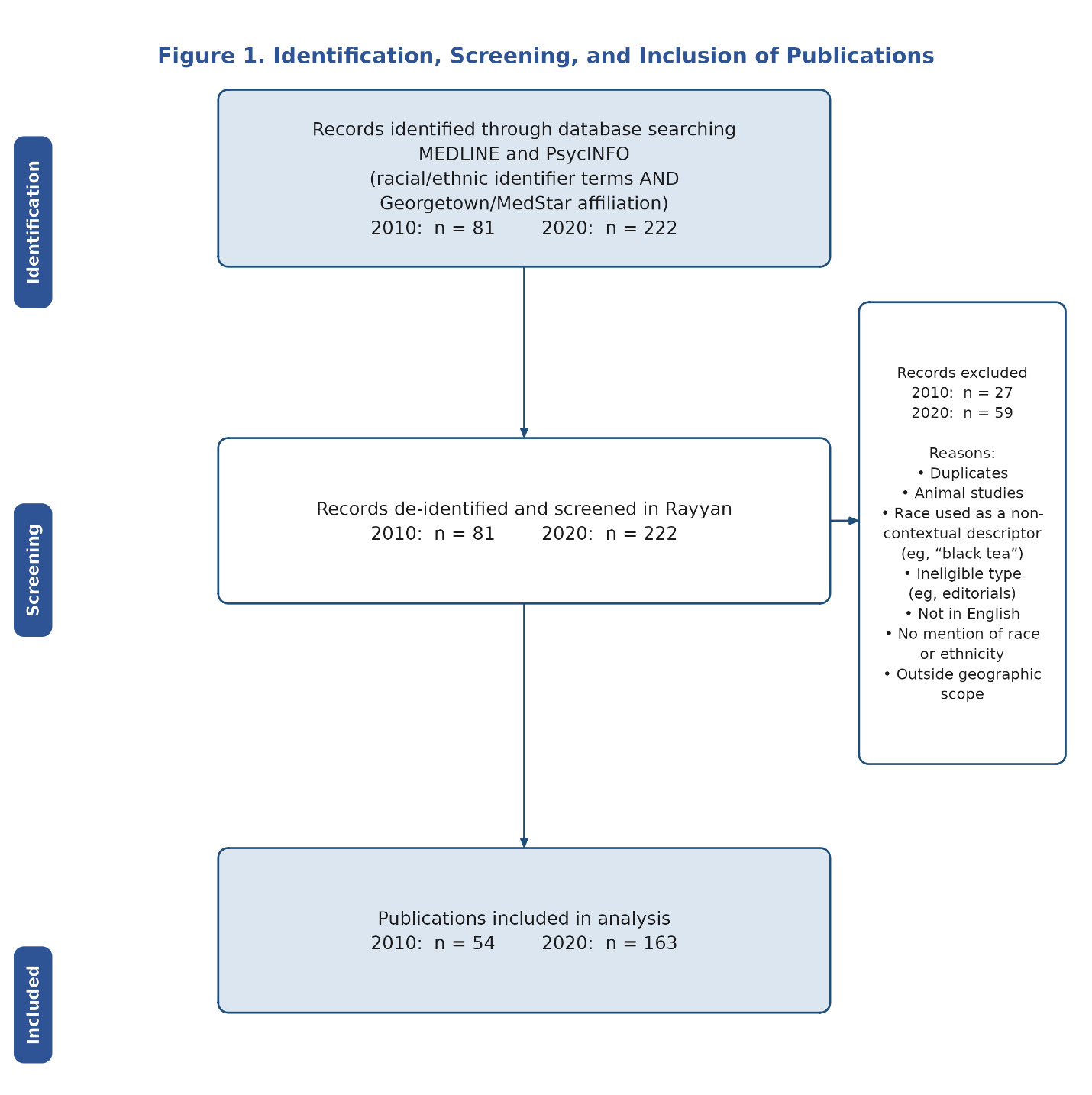
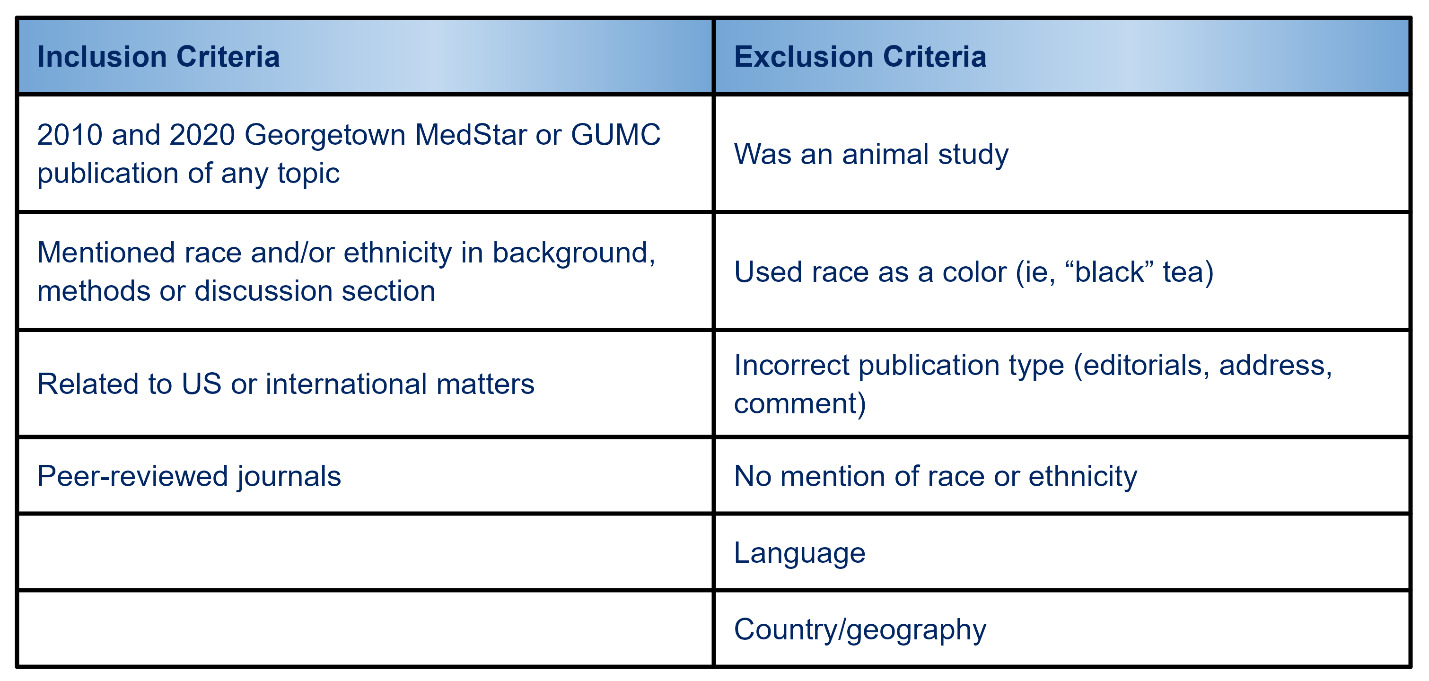
A detailed screening process was employed to ensure the rigor and relevance of the selected publications. In this step, an author not involved in the screening process (C.S.D.) removed all author names and affiliations from the citations and all PDFs to help mitigate bias. These publications were then input into the Rayyan systematic review platform, a tool used to organize and screen literature.10 The inclusion criteria targeted publications that were associated with Georgetown MedStar or GUMC, addressed race and/or ethnicity within the content, and were relevant to United States or international health matters in peer-reviewed journals. The exclusion criteria were specifically defined to remove publications that were animal studies, used race as a noncontextual descriptor (eg, “black tea”), were incorrect publication types such as editorials, were not in English, did not mention race or ethnicity, or were outside the scope of geographical relevance. A summary of the inclusion and exclusion criteria is shown in Figure 2.
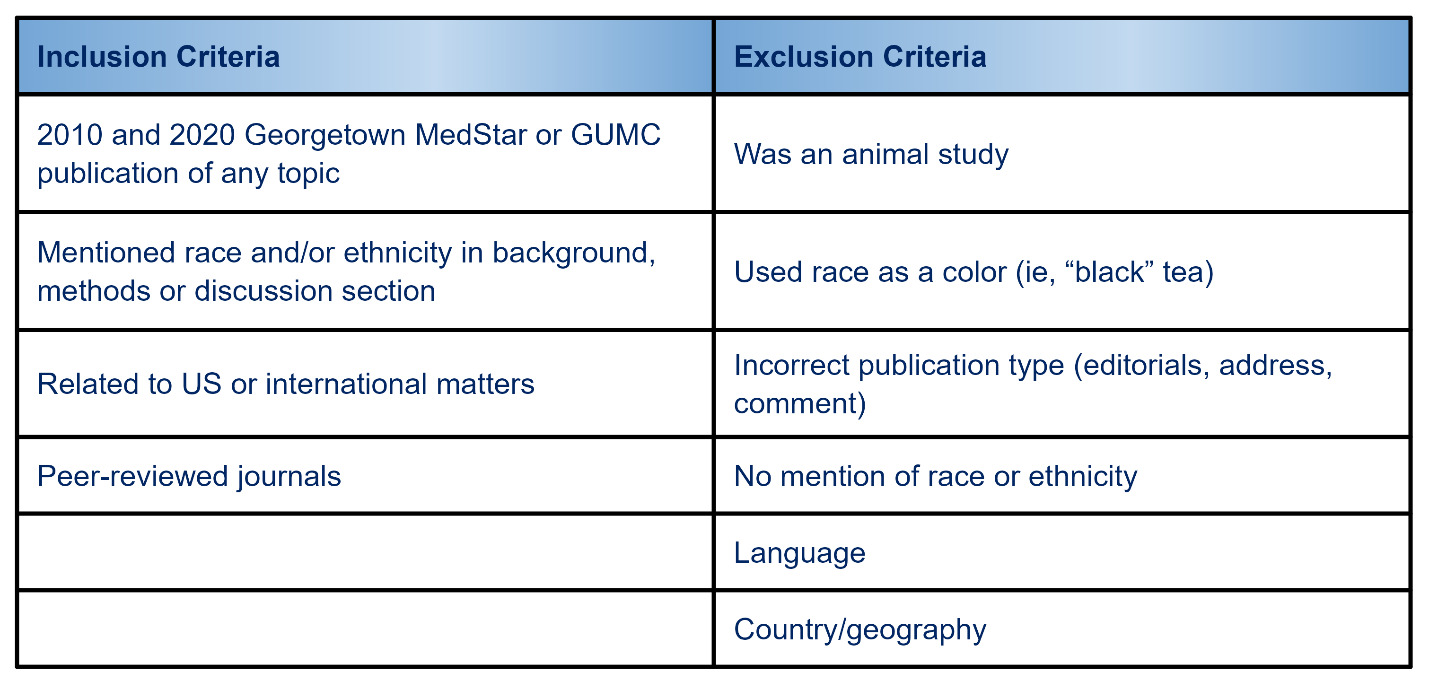
This screening process yielded 54 eligible publications for 2010 and 163 for 2020, after excluding duplicates and those that failed to meet the inclusion criteria. The approximate inclusion and exclusion rates were 67% and 33% for 2010, and 73% and 27% for 2020, respectively, demonstrating a relatively consistent selection methodology across both years. Categorical comparisons between years were analyzed using χ2 tests, and multinomial regression was applied where appropriate to assess changes across multiple outcome categories.
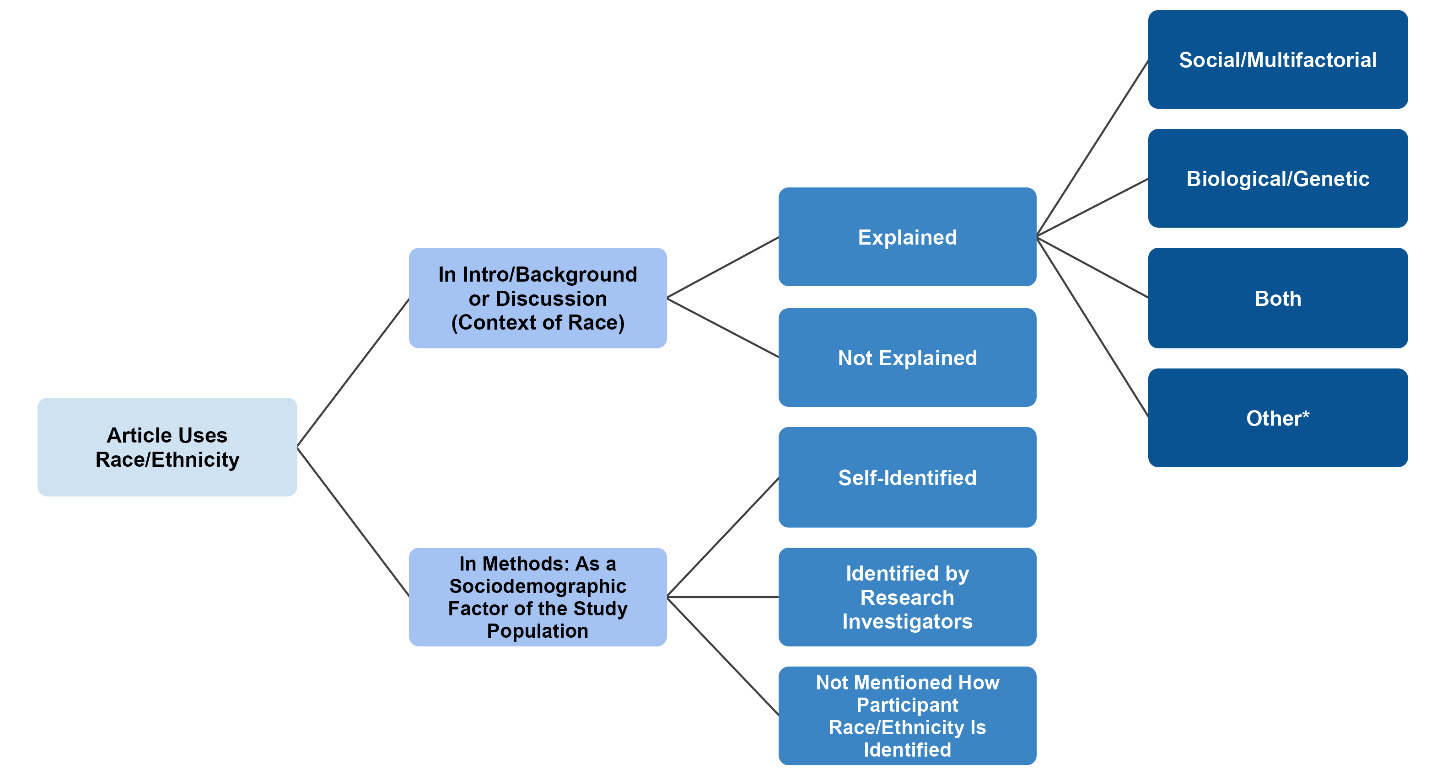
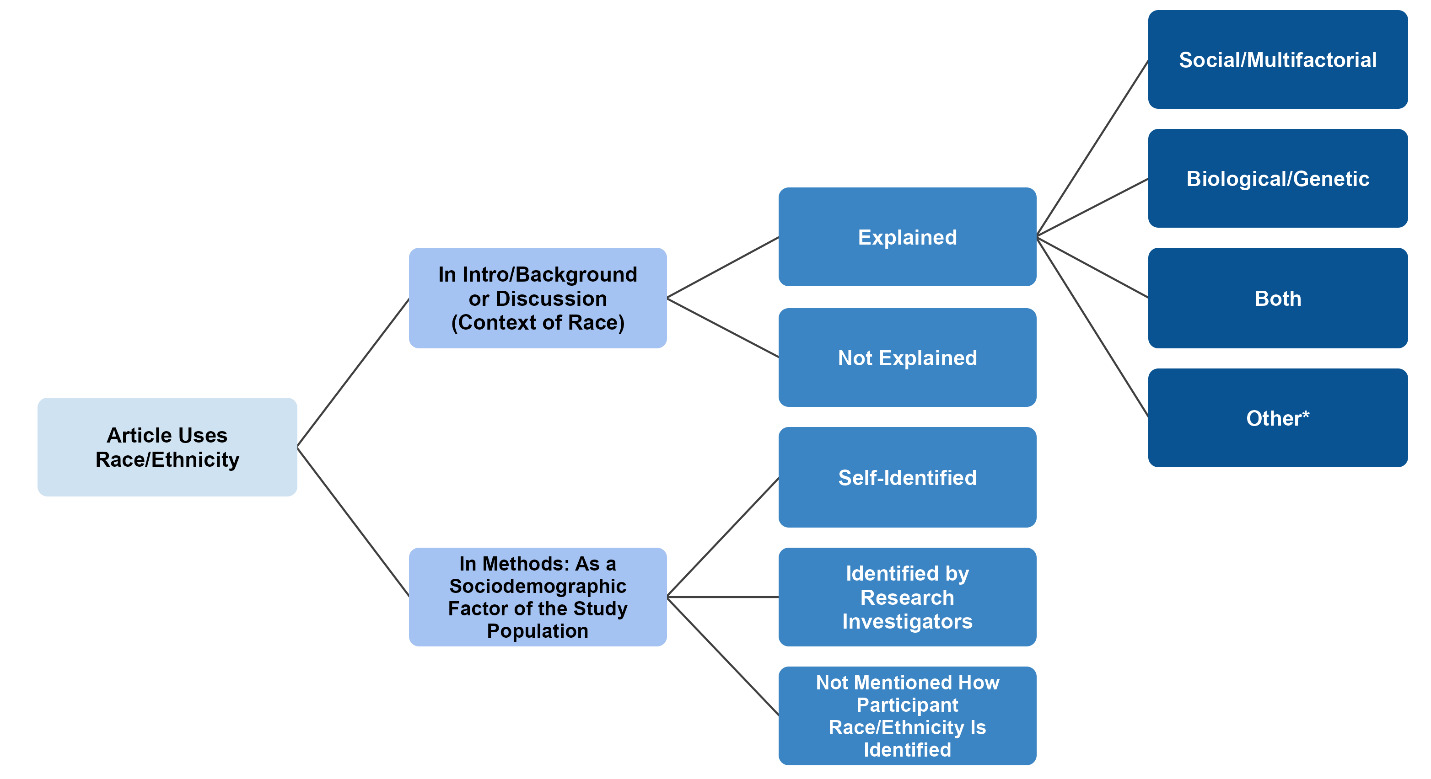
The evaluation of the publications involved a scoring system facilitated by the Rayyan platform, focusing on the context in which race and ethnicity were discussed. Specifically, each publication’s abstract was initially reviewed, followed by full-text evaluation of the introduction, methods, and discussion sections where necessary to distinguish if race was used in a contextual or sociodemographic manner. Depending on the usage, the introduction, methods, and/or discussion section was evaluated to answer the subsequent questions of the scoring algorithm found in Figure 3. An interrater reliability assessment was carried out, and agreement statistics (eg, percent agreement or κ coefficient) were calculated to ensure consistency and objectivity in the evaluation process. Examples of how race and ethnicity were contextualized in some of the publications are presented in Table 1. Publications could be coded in multiple categories when both contextual discussion and methodological use of race were present.
RESULTS
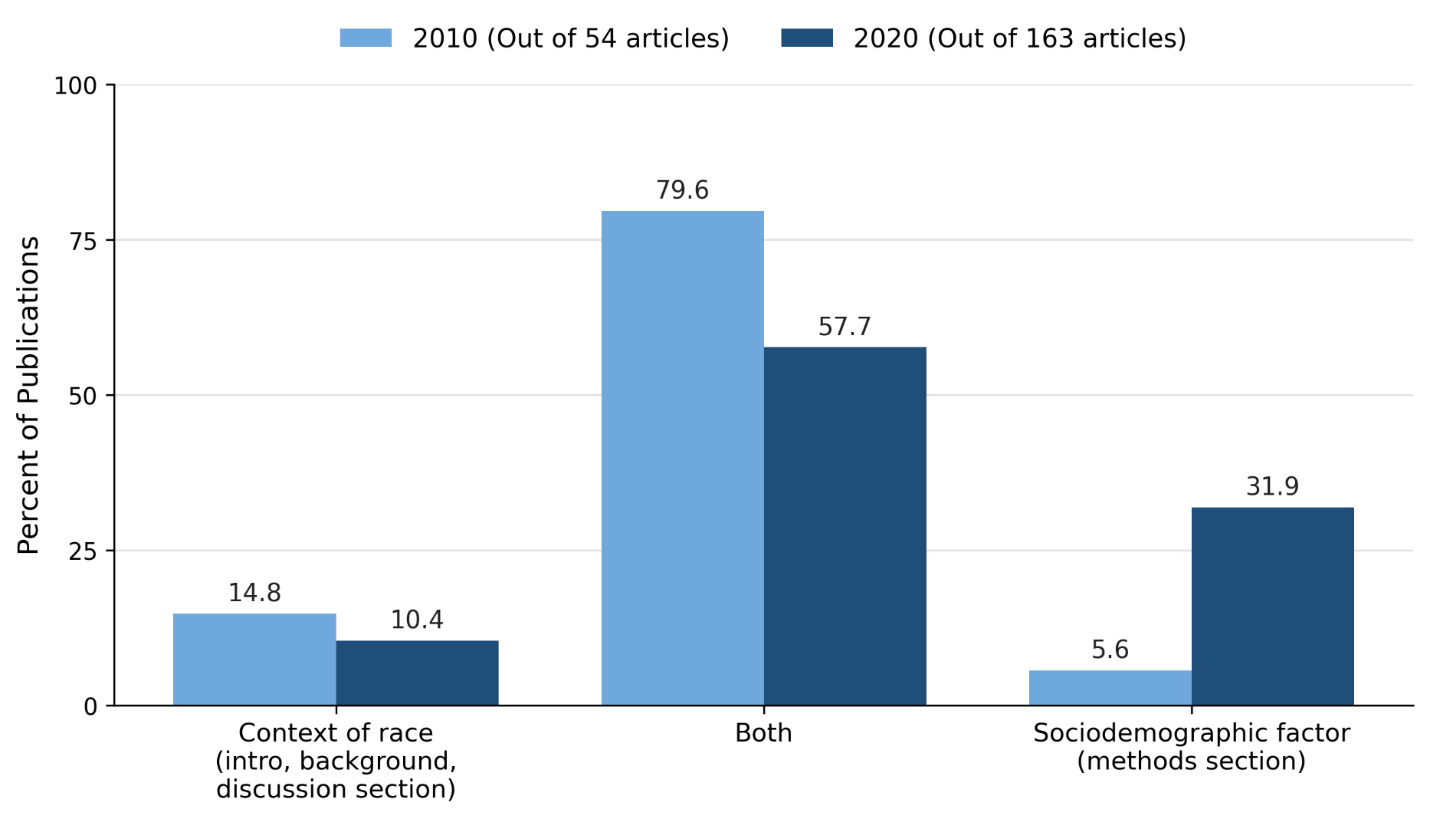
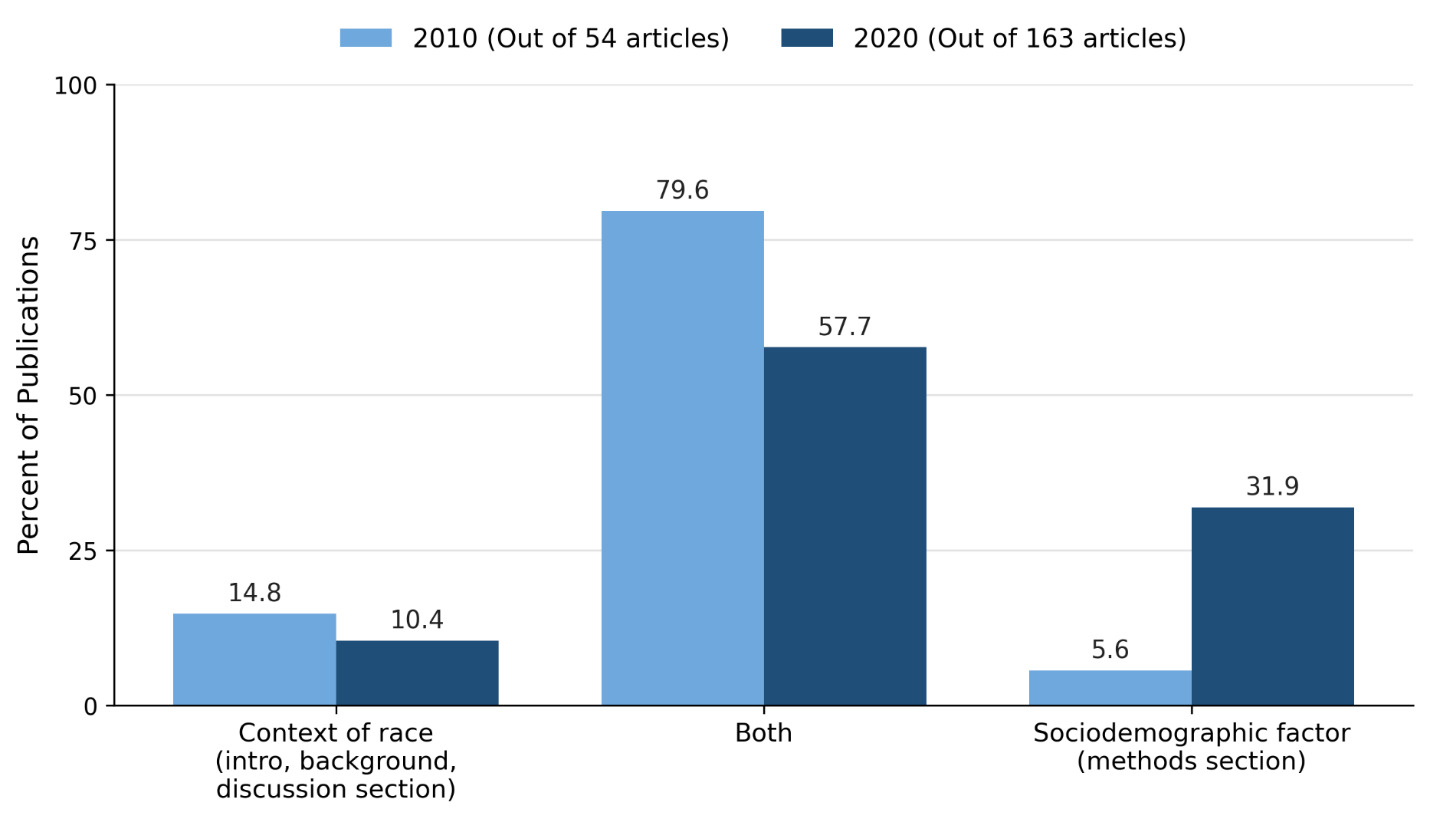
We found a decrease in the discussion of race in the introduction or background sections of the articles, dropping from 14.8% (8 of 54 articles) in 2010 to 10.4% (17 of 163 articles) in 2020. Moreover, there was a decline in mentions of race in both context and methods sections, from 79.6% (43 articles) in 2010 to 57.7% (94 articles) in 2020. However, we observed a statistically significant increase in the articles mentioning race in the methods section as a sociodemographic factor, rising from 5.6% (3 articles) in 2010 to 31.9% (52 articles) in 2020 (P<.001) (Figure 4). This shift in the article section where race is most mentioned reflects an increase in the reporting of race as a sociodemographic variable in methods sections.
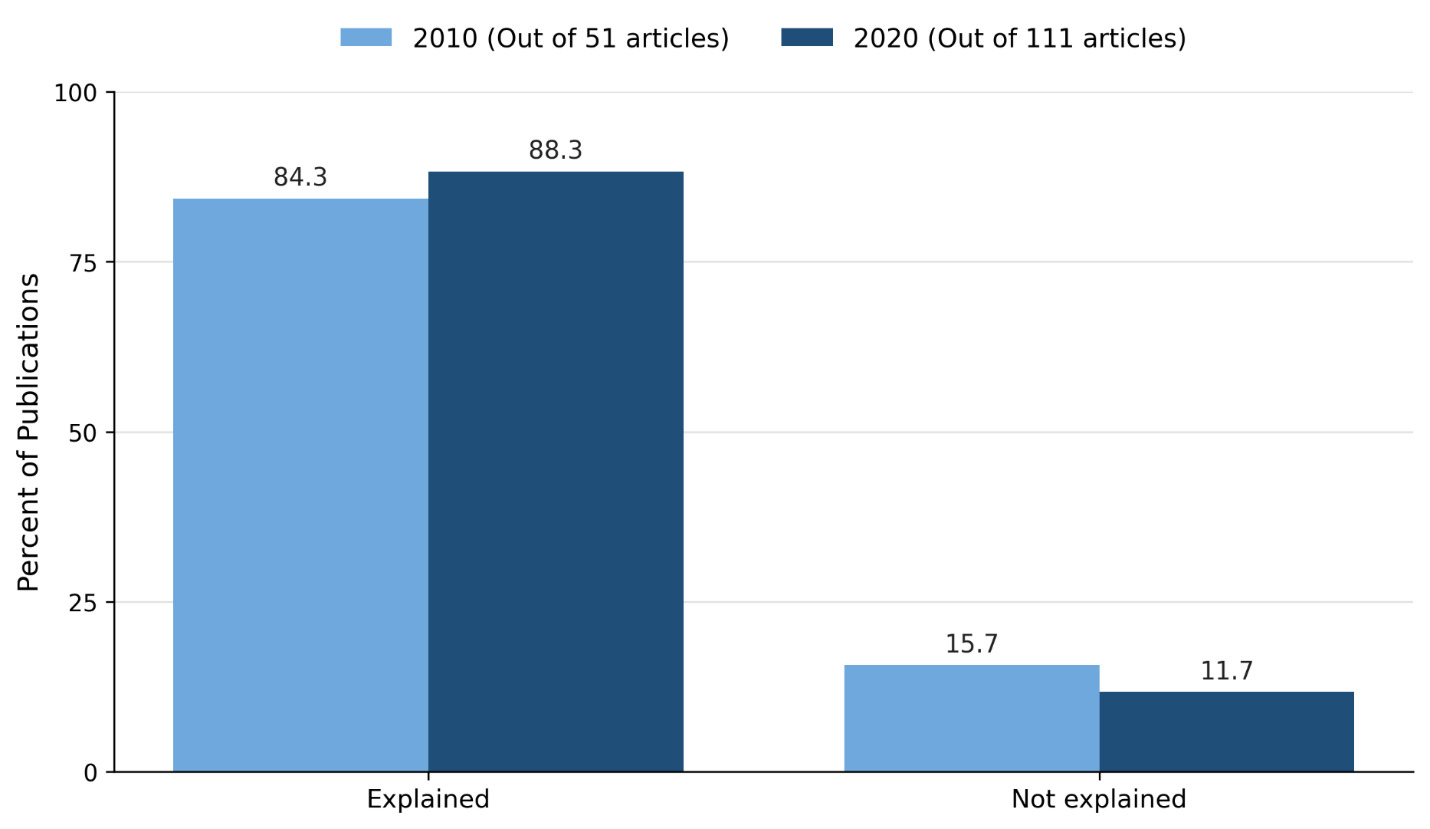
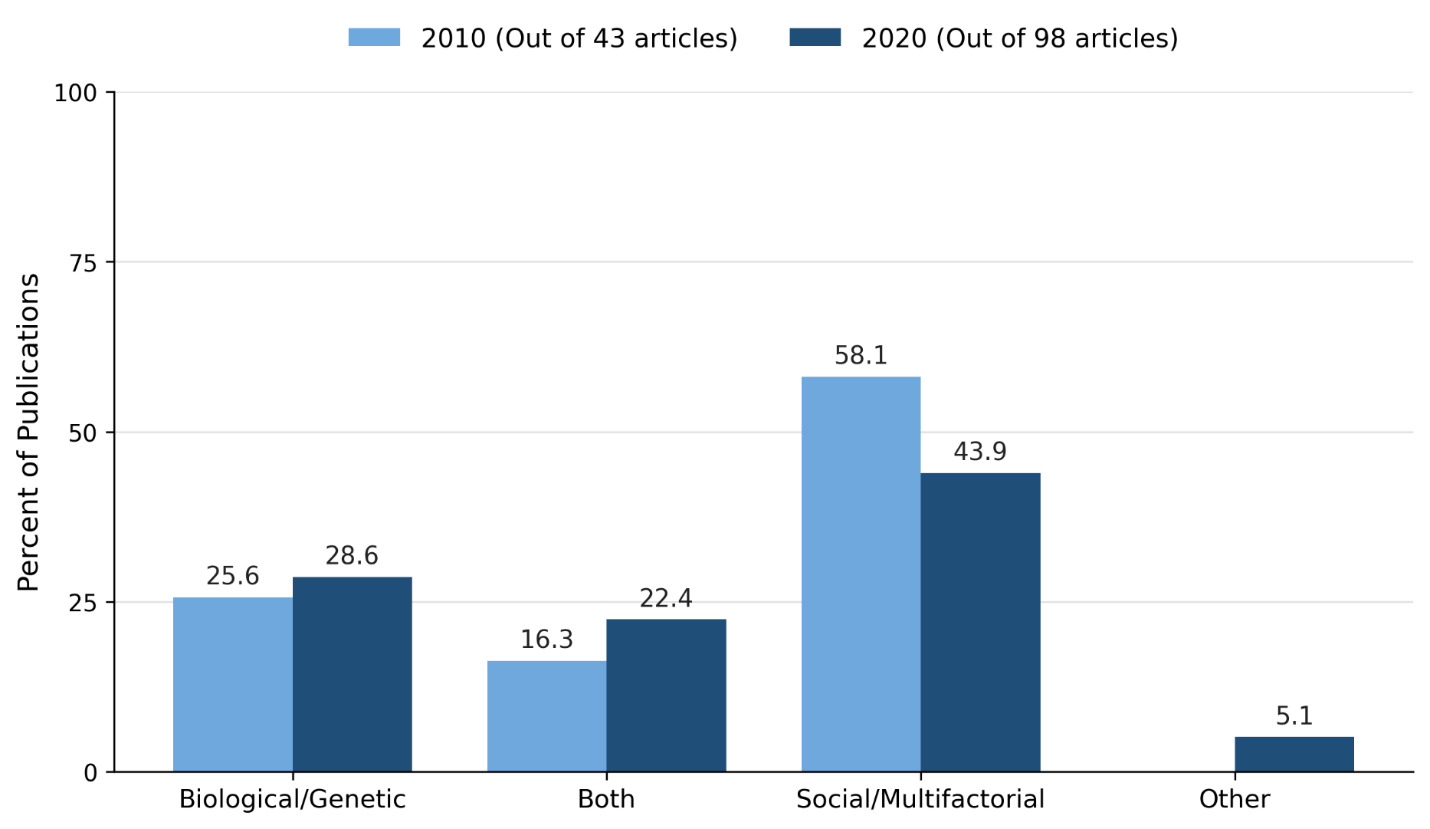
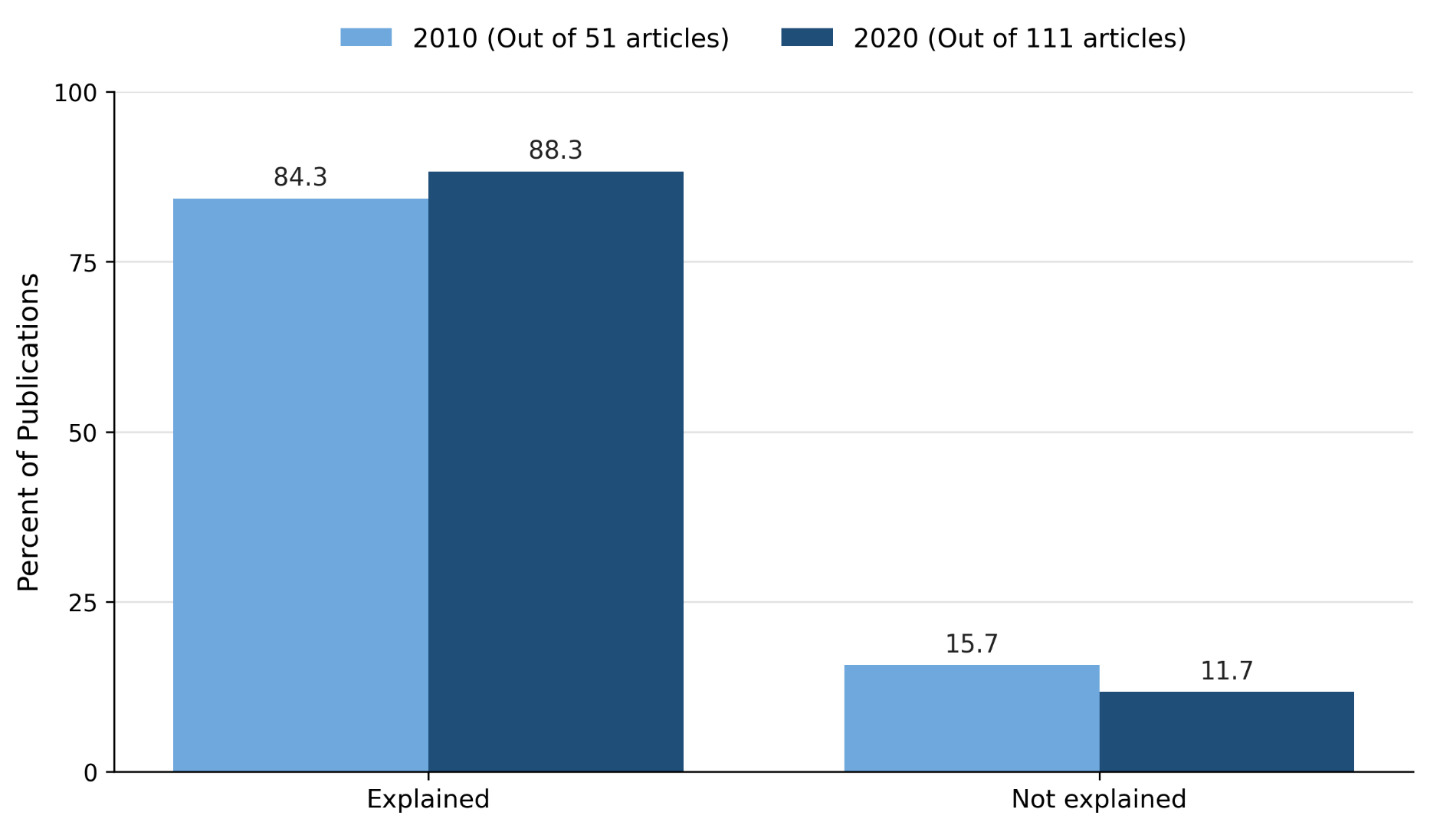
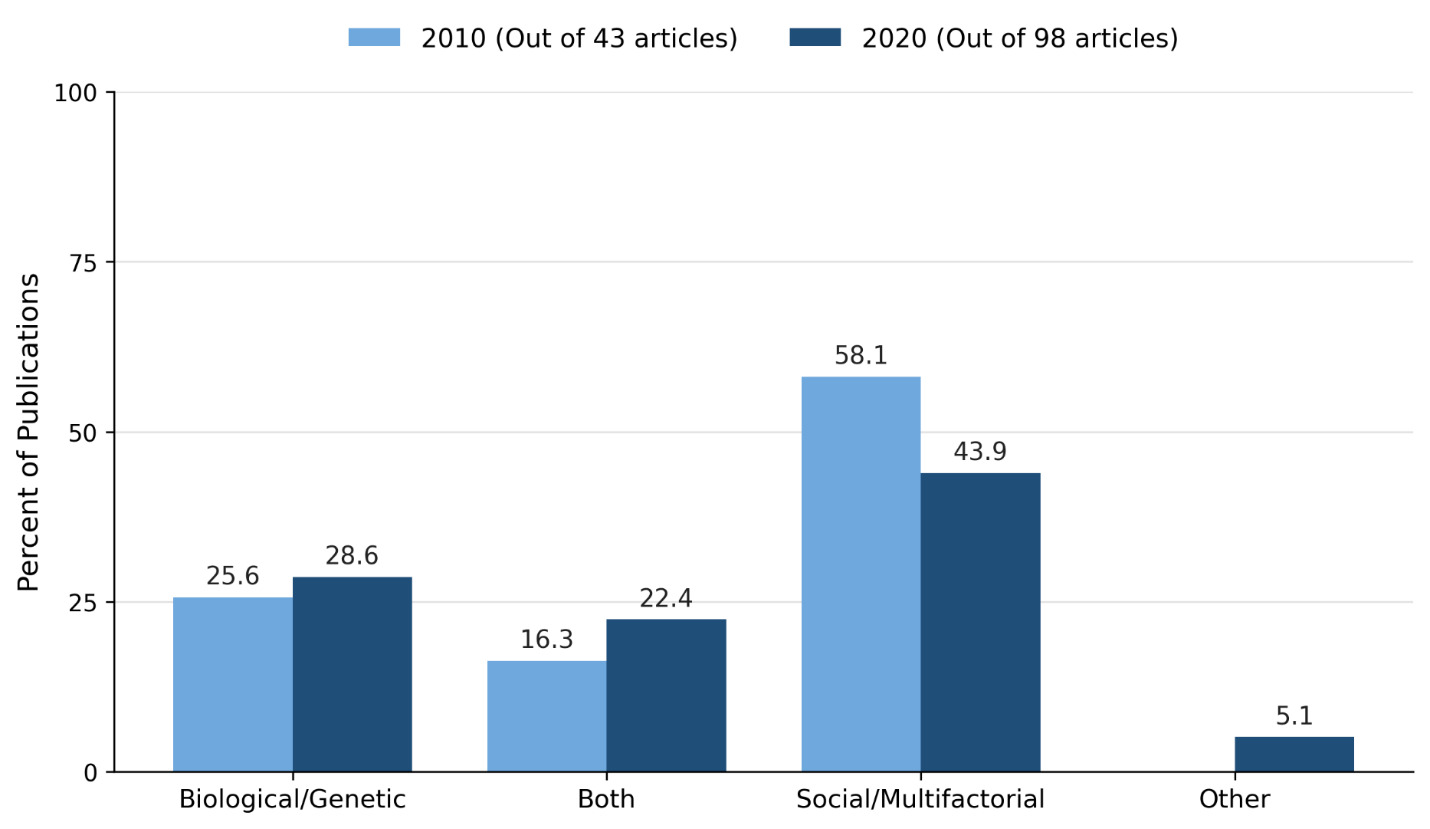
We found that the proportion of articles providing explanations for contextual mentions of race remained relatively consistent across the decade, with 84.3% (43 articles) in 2010 and 88.3% (98 articles) in 2020 (Figure 5). A slight increase in biological or genetic rationales was observed, from 25.6% (11 articles) in 2010 to 28.6% (28 articles) in 2020. Conversely, social or multifactorial explanations experienced a decline from 58.1% (25 articles) in 2010 to 43.9% (43 articles) in 2020. The combination of both explanation types increased from 16.3% (7 articles) to 22.4% (22 articles) (Figure 6). These shifts were not statistically significant (P = .25). We acknowledge that our small sample size could have skewed the results, and this finding represents a descriptive pattern that should be interpreted cautiously.
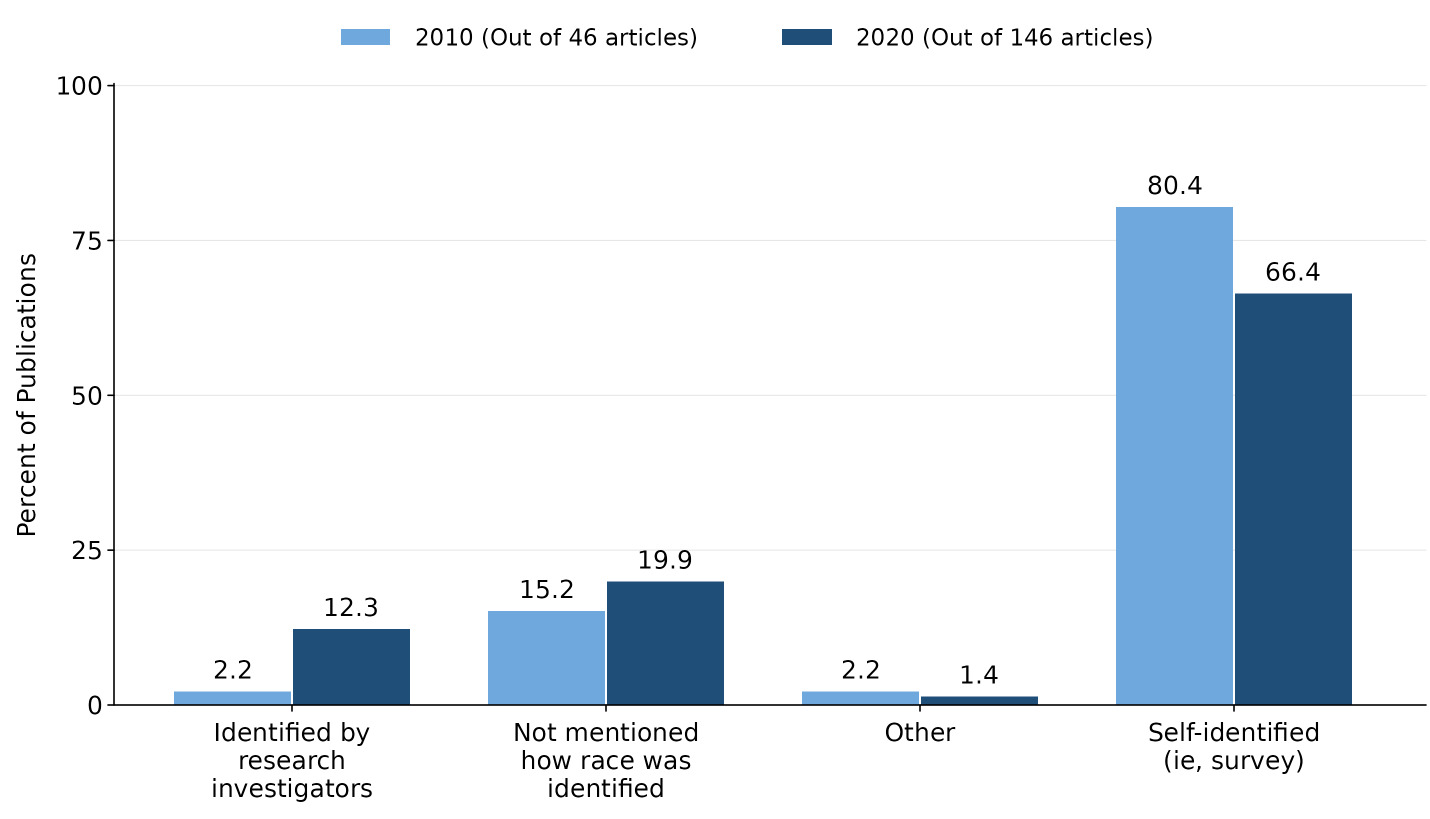
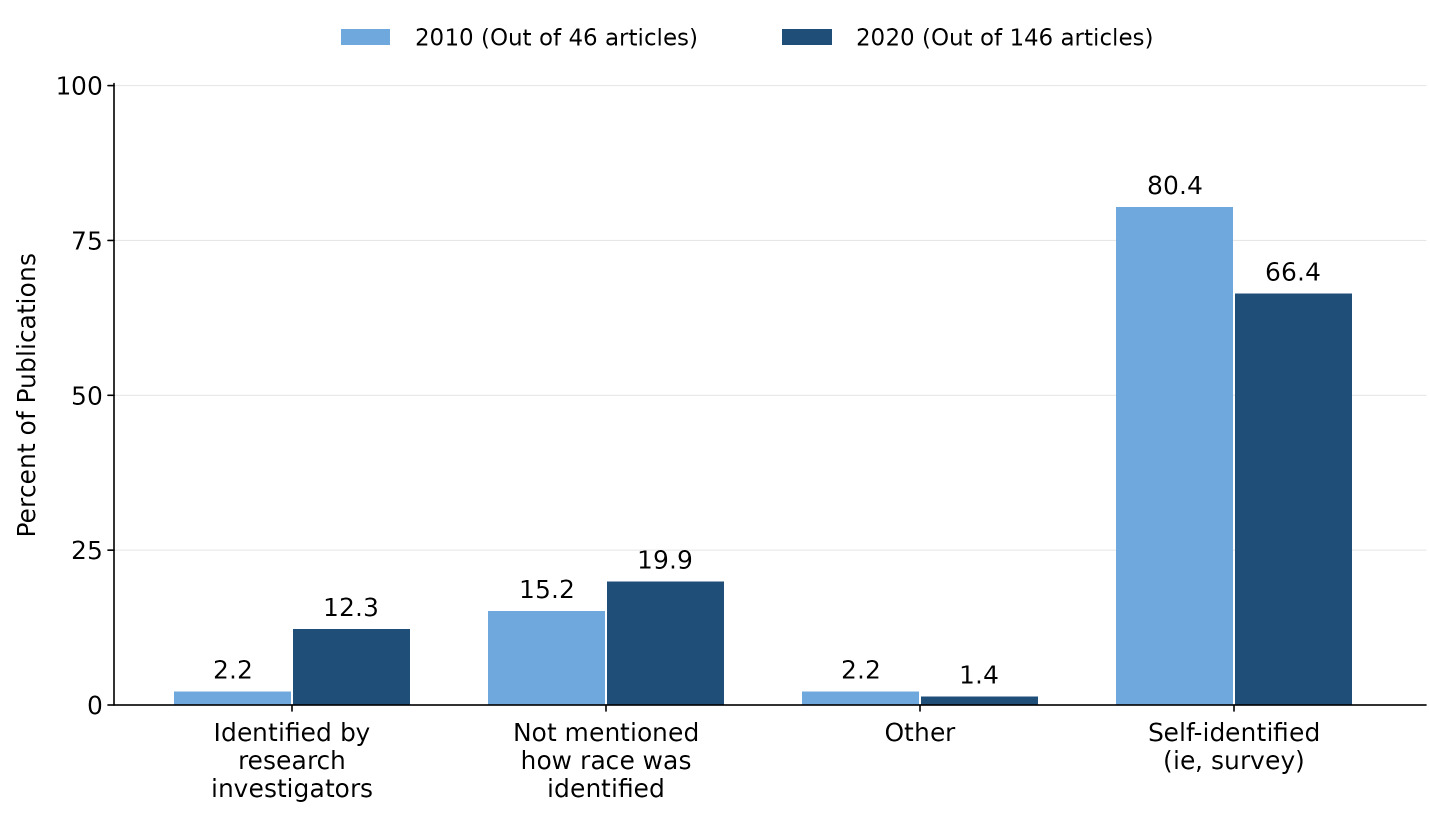
A descriptive pattern also was observed in the identification of race sociodemographically: there was no statistically significant change from 2010 to 2020 (P = .16). Again, these findings were not statistically significant and should be interpreted cautiously. Our study found a slight increase in publications not mentioning their method of race identification, increasing from 15.2% (7 articles) in 2010 to 19.9% (29 articles) in 2020. Concurrently, the use of self-identification methods decreased from 80.4% (37 articles) in 2010 to 66.4% (97 articles) in 2020 (Figure 7). This finding could raise questions about the transparency and consistency in how race was identified and reported. Thus, while there was a decrease in the contextual discussion of race, there was a simultaneous rise in its methodological incorporation as a sociodemographic factor. We also noted a potentially concerning trend in the lack of transparency in race identification methods and a slight shift toward the misguided reification of race as a biological or genetic construct.
DISCUSSION
Principal Findings
Our study of GUMC publications between 2010 and 2020 provides an analysis of race and ethnicity representation within GUMC-affiliated publications. This examination of the mentions, explanations, and identification methods of race and ethnicity reveals areas of both progress and stagnation, underscoring the need for continued efforts to promote more socially grounded discussions of these critical issues in biomedical research.
Interpreting the Shift Toward Sociodemographic Framing
One of the most salient findings is the statistically significant increase in the mention of race and ethnicity in the methods section as a sociodemographic factor, rising from 5.6% in 2010 to 31.9% in 2020. This shift aligns with the growing recognition in the literature of the importance of incorporating sociodemographic factors into research methodologies—though not as proxies for variables that were not directly studied (eg, treating race as a stand-in for genetic ancestry in analyses where ancestry was never genotyped, or as a stand-in for unmeasured socioeconomic status, insurance coverage, or exposure to structural racism). However, the concurrent decrease in the mentions of race and ethnicity in the introduction, background, and discussion sections (from 14.8% in 2010 to 10.4% in 2020) raises concerns about missed opportunities for potential relevant discussions.
Explanations for Racial and Ethnic Differences
The explanations provided for racial and ethnic differences over time within the publications also warrant closer examination. Many articles in both 2010 (15.7%) and 2020 (11.7%) offered no explicit context or explanation for racial and ethnic differences, suggesting a persistent lack of engagement with the underlying reasons for these disparities. This finding echoes the concerns raised by Ibrahim and colleagues,2 who argued that the failure to contextualize racial and ethnic health differences within the broader social and structural determinants of health can perpetuate harmful notions of inherent or immutable differences. Among the articles that did provide an explanation, biological or genetic attributions were descriptively common, though changes over the decade studied were not statistically significant, and only a small proportion of publications presented social or multifactorial explanations for racial and ethnic differences. This imbalance in explanatory frameworks aligns with the observations by Roberts and Rollins,11 who note the persistent tendency in genetic research to overemphasize biological factors rather than the impact of systemic inequities and racism on health outcomes.
How Race and Ethnicity Were Identified
The methodology for determining participants’ race and ethnicity in the studies also revealed a concerning trend. The proportion of publications not specifying methodology information did not significantly change, indicating a continued lack of transparency and consistency in describing the methods used to assign these critical sociodemographic factors. As demonstrated in an article by Lu and colleagues,12 the use of inconsistent or poorly defined methods for assigning race and ethnicity can lead to misclassification and hinder the accurate understanding of health disparities. Indeed, in our study the observed increase in sociodemographic labeling alongside a decline in social or multifactorial explanations for race and ethnicity differences suggests that race may increasingly be included as a variable without deeper contextual engagement, raising the possibility of superficial compliance rather than substantive analytical change.
Toward Equity-Centered Reporting: Guidelines and Initiatives
Several external guidelines may help contextualize our findings and inform future improvements. One notable example is the recent launch of the Global Inclusion in Research Publishing hub by Springer Nature.13 This centralized resource provides a range of tools, guides, and best practices for authors, editors, and reviewers to support the use of inclusive language and bias-free communication in research. The hub also includes case studies and data-rich insights to inspire and inform action on diversity, equity, and inclusion in research publishing. Similar initiatives have been undertaken by other organizations, such as the American Psychological Association,13,14 which has developed its Inclusive Language Guide for reducing bias by promoting inclusive language and equitable communication in scholarly writing. In a similar vein, the Association of American Medical Colleges (AAMC) Center for Health Justice and the American Medical Association (AMA)15,16 have also produced language guidelines titled Advancing Health Equity: AMA-AAMC Guide on Language, Narrative, and Concepts. Though these guidelines were specifically developed for patient interactions, a similar joint collaboration spearheaded by the AMA Center for Health Equity already provides resources and training to support the integration of health equity principles into medical education, research, and practice.
These initiatives align with the broader interest in the literature for the establishment of clear guidelines17–19 for the inclusion and contextualization of race and ethnicity in academic works. Such guidelines should emphasize the importance of situating these factors within the broader social, historical, and structural contexts that shape health outcomes and should discourage the reliance on biological or genetic explanations alone. Research from Salway and colleagues20 revealed that journal guidelines on how to approach ethnicity were one potential method to enhance publication quality, and it was received well by both reviewers and authors.
Another potential solution lies in increasing the representation of diverse researchers, participants, and perspectives in medical research. This goal can be achieved through targeted outreach, community engagement, and the development of inclusive research environments that support diversity.20–25 For instance, the National Institutes of Health (NIH) have already implemented programs to enhance the diversity of the biomedical research workforce, like the Diversity Supplements Program (DSP).26–28 The DSP fosters minority representation in the research community of the National Institute of Diabetes and Digestive and Kidney Diseases by offering salary support for two years.26,28 This financial assistance gives these promising researchers time to gather initial data for future grant applications. Moving forward, other programs within the NIH and other grant-awarding institutions could replicate this level of support to diversify perspectives in the literature and thus increase the likelihood of race and ethnicity being used equitably in academic research.
Finally, ongoing education and training for researchers, editors, and reviewers on best practices for studying and reporting on race and ethnicity in research are essential for promoting a more nuanced understanding of these factors and their impact on health disparities. Organizations such as the Coalition for Diversity and Inclusion in Scholarly Communications (C4DISC)29 have developed training modules and resources to support the development of inclusive and equitable practices in research communication. Among these are the Guidelines on Inclusive Language and Images in Scholarly Communication, a part of C4DISC’s Toolkits for Equity initiative,30 which seeks to support antidiscriminatory writing in academia.
Limitations
The small sample size in our study presented a limitation, as a larger sample could potentially uncover statistical significance for observed patterns. Also, the presence of search biases, with only two databases examined, raises concerns about the completeness of the data, potentially overlooking GUMC publications indexed elsewhere and those mentioning race in the full text but not within titles, abstracts, or keywords. These limitations underscore the need for cautious interpretation and highlight directions for further research.
CONCLUSIONS
Our analysis of GUMC’s publications from the years 2010 and 2020 reveals a complex picture of the evolving discourse surrounding race and ethnicity in biomedical research. While there are signs of increased recognition of race and ethnicity being critical sociodemographic variables, the depth and context of their discussion remain limited, with a continued reliance on biological explanations and a lack of transparency in identification methods. These findings underscore the need for more proactive efforts to promote responsible and equity-focused practices in the study and reporting of race and ethnicity in research. The initiatives undertaken by organizations such as Springer Nature, the American Psychological Association, AMA, NIH, and C4DISC provide promising examples of how clear guidelines, diverse representation, and ongoing education and training can contribute to a more nuanced and socially grounded understanding of race and ethnicity and their impact on health disparities. We must continue to address the persistent challenges in presenting and studying race and ethnicity in the abstract, introduction, methods, and discussion sections of scholarly articles.
Corresponding Author
Bara M. Hammadeh
Al-Balqa’ Applied University, Salt, Jordan
Barahammadeh2005@gmail.com
Declarations
Ethics Approval and Consent to Participate
Not applicable. This study analyzed previously published literature and did not involve human participants, personal data, or animal subjects.
Consent for Publication
Not applicable.
Availability of Data and Materials
The datasets used and/or analyzed during the current study are available from the corresponding author upon reasonable request.
Competing Interests
The authors declare that they have no competing interests.
Funding
No specific funding was received for this study.
AI Declaration
Generative AI (ChatGPT-4o, OpenAI) was used solely for language polishing during final manuscript refinement. It was not used for conceptualization, scientific argument, reference identification, or data interpretation. The authors are fully responsible for the content.
Author Contribution
Conceptualization: C.J.S., S.K.
Methodology: C.J.S., C.S.D., M.P.
Formal Analysis: C.J.S., D.N., V.K.
Investigation: V.F., J.M.S., D.N., B.M.H.
Data Curation: V.F., J.M.S., D.N., C.S.D.
Software: C.S.D.
Validation: V.F., J.M.S.
Visualization: V.K.
Writing – Original Draft: C.J.S.
Writing – Review & Editing: V.F., V.K., M.P., B.M.H., S.K.
Supervision: M.P., S.K.
Project Administration: C.J.S.
Funding Acquisition: S.K.
Resources: C.S.D.
Acknowledgements
None.